









Few internet scams have been as persistent or strangely effective as the celebrity cryptocurrency giveaway fraud. At the height of crypto enthusiasm, scammers discovered that impersonating famous personalities on social media could attract an astonishing number of victims. Even experienced internet users occasionally fell for the scheme, especially when it appeared beneath a genuine tweet from a well known figure.
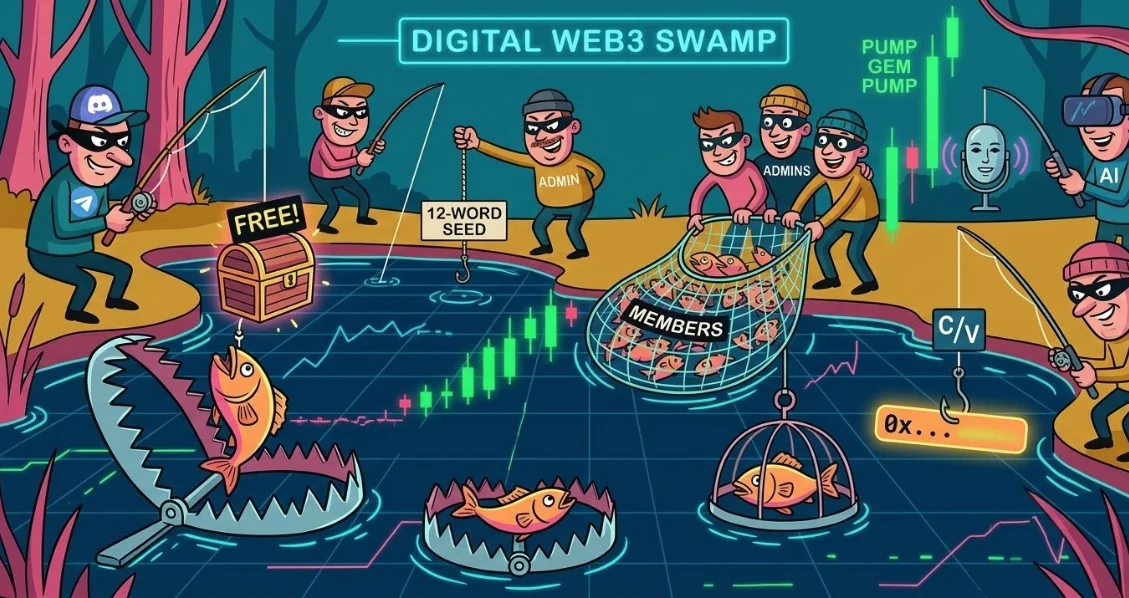
The tactic was simple. Fraudsters would create accounts designed to look almost identical to the profiles of public figures such as Elon Musk or Ethereum founder Vitalik Buterin. They copied profile pictures, used similar usernames, and posted replies under viral tweets where thousands of people were already paying attention.
The message usually followed the same pattern. The celebrity was supposedly celebrating an event or promoting cryptocurrency adoption by giving away digital assets to their fans. Participants were asked to send a small amount of Bitcoin or Ether to a wallet address in order to receive a larger amount in return.
Of course, the larger payment never arrived.
Automation made the scam even more convincing. Networks of bots would flood the thread with fake testimonials claiming they had already received their rewards. To a casual observer scrolling quickly through replies, the illusion of legitimacy could appear surprisingly convincing.
Despite repeated warnings from both cryptocurrency developers and social media platforms, the scheme continued spreading across Twitter for years. The persistence of the scam highlighted a deeper truth about the crypto ecosystem. Even the most advanced financial technology cannot protect users from the oldest vulnerability in the system: human trust.